Fact-Checking Hydroxyzine and Tylenol: Debunking Common Myths About Mixing the Two
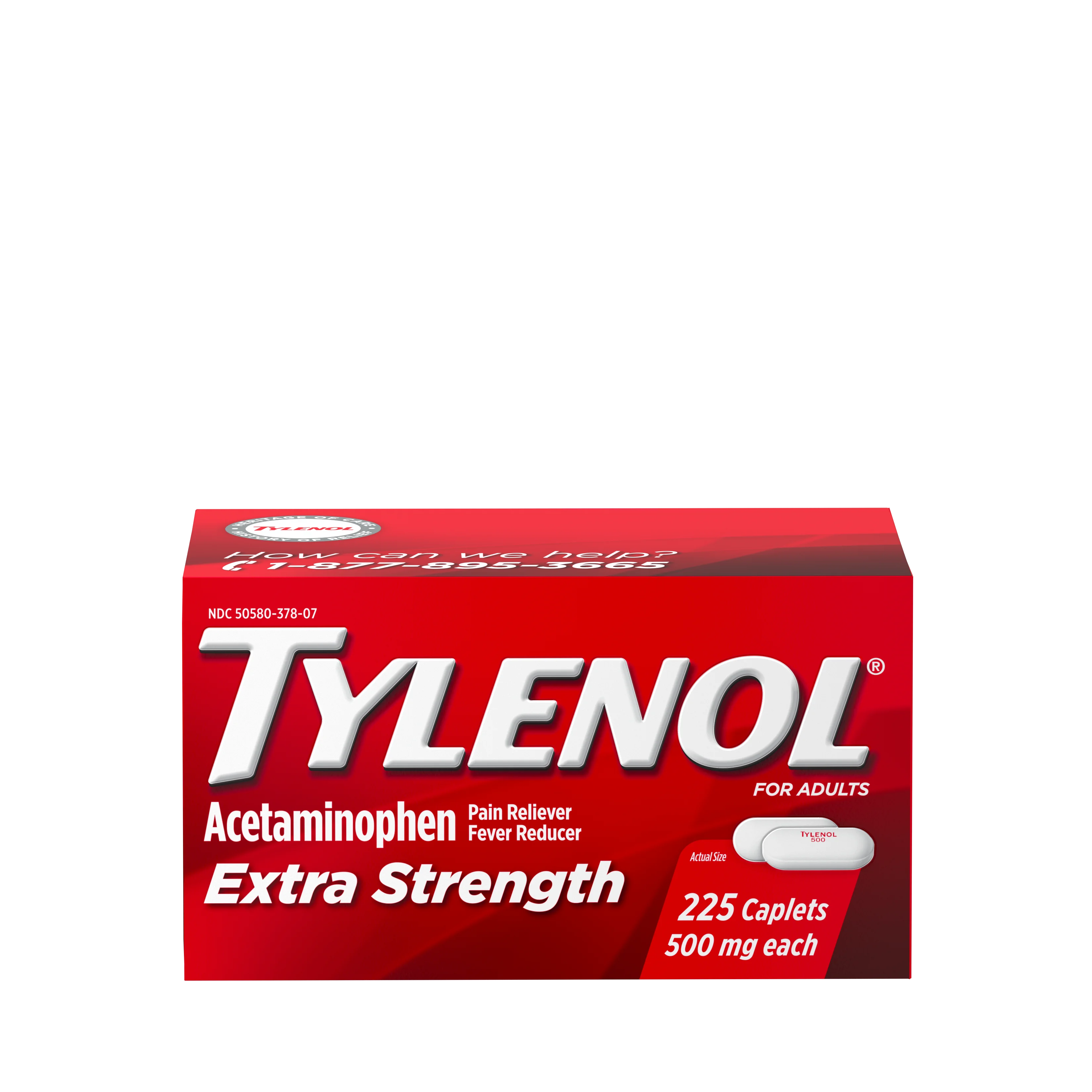
The primary source of danger in real-world scenarios rarely comes from pure acetaminophen. The clinical crisis begins when a patient inadvertently selects a combination product off the pharmacy shelf. Line extensions such as Tylenol PM, Tylenol Cold & Flu Severe, or Tylenol Sinus Nighttime represent serious clinical tripwires.
Tylenol PM, for instance, pairs 500 mg of acetaminophen with 25 mg of diphenhydramine hydrochloride per caplet. Diphenhydramine, the exact compound in Benadryl, is also a first-generation H1 antihistamine with heavy anticholinergic properties. Stacking hydroxyzine with diphenhydramine constitutes duplicate therapy. Instead of mild relaxation, the patient subjects their system to profound central nervous system sedation. This double hit can lead to dangerously impaired motor function, slurred speech, respiratory depression, and severe mental confusion, particularly in older adults.
Excessive anticholinergic loading triggers an acute physiological cascade: severe dry mouth, blurred vision from pupillary dilation, acute urinary retention, and dangerous spikes in resting heart rate. Hydroxyzine also carries a well-documented, dose-dependent warning regarding cardiac QT interval prolongation. Combining it with over-the-counter sleep aids or complex cold formulations that contain additional sedating agents or decongestants like phenylephrine dramatically increases cardiovascular stress and arrhythmia risks.

